
Cyber Insights with Mercury IT- December 2021
Welcome to the final edition of Cyber Insights for the year. This month we highlight a current scam targeting Instagram influencers and their followers, the latest breaches to hit the news and lastly some tips to help keep you safe when scanning QR codes.
CURRENT SCAM
Here are some tips to stay safe from similar influencer scams:
- Hijacking a social media account is an easy way for cybercriminals to spread disinformation or scam several people at once. Don’t trust everything you see on social media, and be sure to report any suspicious activity.
- To the general public, Bitcoin and other cryptocurrencies are still very new and complex. Before you buy coins, learn more about cryptocurrency from well-known and trusted sources.
- Never trust a get-rich-quick scheme. If something seems too good to be true, it probably is.
LATEST BREACH
|
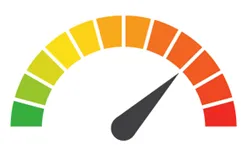
Exploit: Ransomware CS Energy: Energy Company Risk to business: SEVERE |
CS Energy confirmed it experienced a ransomware attack on November 27. The company said the incident was limited to its corporate network and did not impact operations at its Callide and Kogan Creek power stations. CS Energy’s CEO said that the company contained the ransomware attack by segregating the corporate network from other internal networks and enacting business continuity processes. CS Energy is owned by the Queensland government. |
CYBERSECURITY TIPS
|
What Is a QR Code?
With signing in to most venues in Australia most people know what a QR code is, however they can be used for other things. A QR code (Quick Response code) is an interactive link that you can scan with your smartphone. The link could take you to a website, start a file download, or open an app on your phone to take an action, like adding an event to your calendar. QR codes are fun, easy, and alluring because they can be placed on anything from business cards to a bag of chips.
How Can Cybercriminals Use QR Codes?
Unfortunately, since a QR code is nothing more than a fancy-looking link, cybercriminals can use them just like they would use a link in a phishing email. There are many free websites that allow you to create your own QR code that links to anything you choose. This means that the bad guys can create a QR code that links to a malicious website or downloads malware onto your device. Once they have created their malicious QR code, it can be emailed, posted to social media, printed out on flyers, or even made into stickers and placed on top of legitimate QR codes.
|
|
Follow these tips to stay safe when scanning QR codes:
|
Find out more about cybersecurity for your business here or book a complimentary consultation with our Chief Information Security Officer, Chris Haigh here